

 Show Advanced Search Options
 Hide Advanced Search Options
Browse Books for Adults
1
-
15
of
122 Results; (Books Starting With "W")
Sort By
Go To
of 9
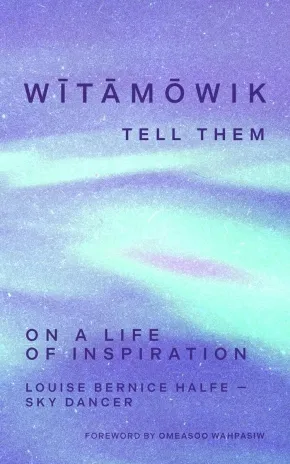


wītāmōwik / Tell Them: On a Life of Inspiration
$27.95
Format:
Paperback
Text Content Territories:
Indigenous Canadian; First Nations; Cree (Nehiyawak); Plains Cree; Saddle Lake Cree Nation ;
Reading Level: N/A
ISBN / Barcode: 9781779400840
Synopsis:
Synopsis:
Cree poet and kēhtē-aya Louise Bernice Halfe – Sky Dancer’s genre-bending collection chronicles her childhood in a cabin on reserve, through the Indian Residential School system, and into her reclamation of her nēhiýaw language, culture, and spirituality.
My parents taught us the art of observation. I learned to hunt, skin, and butcher game through non-verbal methods. I also watched my grandparents work on the land and live their spirituality. I helped gather, dry, and grind their medicines. I inhaled the medicines’ power and ingested it. When I left for residential school all this fell asleep.
Poet Louise Bernice Halfe – Sky Dancer tells the story of how she woke up from the trauma of separation in these never-before-collected essays and new poems about her life and the source of her inspiration: her culture and the land. In Cree, inspiration is described as a sudden insight. It can come from visits from spirit, from the charged reciprocal experience of being taught by Elders and teaching the next generation, from speaking Cree which allows the poet to “somersault into memory,” and in the practice of observing and being in relationship with the land as it “constantly gives birth to itself.” wītāmōwik / Tell Them! is a stunning love song to nēhiýaw ways of knowing—ways which Halfe has reclaimed from the violence of colonization to celebrate their survival and share their enduring relevance with future generations.
Reviews
“Louise Halfe, with great generosity and insight, draws us into her lodge where a person can begin to receive what she calls ‘spiritual intelligence.’ One of Canada’s most remarkable poets, she takes us through the trauma of residential school and its corrosive aftermath, through racism and injustice – she is one of our leaders and we are in good hands.” -Tim Lilburn
Additional Information
288 pages | 5" x 8.03" | Paperback
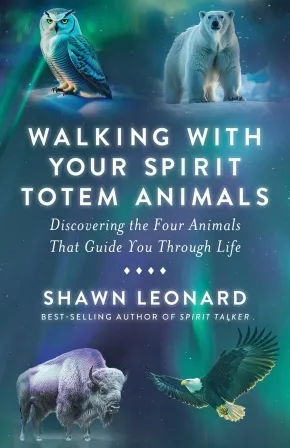
Walking with Your Spirit Totem Animals: Discovering the Four Animals That Guide You Through Life
$23.99
Format:
Paperback
Text Content Territories:
Indigenous Canadian; First Nations; Mi'kmaq (Mi'gmaq);
Reading Level: N/A
ISBN / Barcode: 9781401997250
Synopsis:
Synopsis:
From Shawn Leonard, Indigenous medium and host of Spirit Talker, comes a guide for assembling your unique team of spirit totem animal guides to be your personal guides through your life.
We are deeply connected to the animal nation, and through the four stages of life—Childhood, Youth, Adulthood, and Elderhood—there are four sacred animal totems that guide us energetically using their sacred medicine.
In Walking With Your Spirit Totem Animals, Mi’kmaq medium and host of Spirit Talker Shawn Leonard invites readers on a profound journey into the mystical world of animal totems. His insightful guide reveals how specific animal totems, that are personal to each and every one of us, support us. Leonard intertwines personal anecdotes with spiritual teachings, illustrating how these animal guides have appeared in his own life—his totems are Buffalo/Bison, Eagle, Polar Bear, and Owl—and provided wisdom at each stage.
The book includes comprehensive discussions on the Medicine Wheel and practical tools such as prayers and meditations to help readers connect with their own animal totems. Leonard also incorporates reflections on the connection between pets and their spiritual roles, messages revealed through animal dreams, and encounters with the animal nation in the astral realm.
Additional Information
208 Pages | 5.63 x 8.50" | b&w interior | Paperback
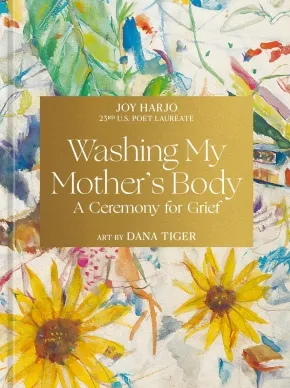
Washing My Mother's Body: A Ceremony for Grief
$24.95
Artists:
Format:
Hardcover
Text Content Territories:
Indigenous American; Native American; Muscogee (Creek);
Reading Level: N/A
ISBN / Barcode: 9781984861368
Synopsis:
Synopsis:
A beautifully illustrated edition of Poet Laureate Joy Harjo’s poem “Washing My Mother’s Body,” which offers a way through grief when the loss appears unbearable.
As I wash my mother’s face, I tell her
how beautiful she is, how brave, how her beauty and bravery
live on in her grandchildren. Her face is relaxed, peaceful.
Her earth memory body has not left yet,
but when I see her the next day, embalmed and in the casket
in the funeral home, it will be gone.
Where does it go?
Through lyrical prose and evocative watercolor illustrations by award-winning Muscogee artist Dana Tiger, Washing My Mother’s Body explores the complexity of a daughter’s grief as she reflects on the joys and sorrows of her mother’s life. She lays her mother to rest in the landscape of her memory, honoring the hands that raised her, the body that protected her, and the legs that carried her mother through adversity.
Moving, comforting, and deeply emotional, Washing My Mother’s Body is a tender look at mother-daughter relationships, the complexity of grieving the loss of a parent, and the enduring love of those left behind.
Additional Information
80 pages | 5.79" x 7.81" | Hardcover

We see stars only at night
$10.00
Artists:
Format:
Paperback
Text Content Territories:
Indigenous Canadian; First Nations; Dene; Tahltan (Nahanni);
Reading Level: N/A
ISBN / Barcode: 9781772621006
Synopsis:
Synopsis:
A pocket-sized comic by Indigenous Voices winner Cole Pauls.
Llege zedle s_on nes_it'in (Tahltan for we see stars only at night ) is a surrealistic landscape of Tahltan shapes, culture and motifs. Originally created for the Nanaimo Art Gallery's group show "Gutters are Elastic" between July 15 to September 23, 2023, Pauls decided to expand the work into a full-length book.
Playing with the connection between land, regalia, performance and heritage, Pauls follows in the footsteps of Tiger Tateishi, Hironori Kikuchi and Michael Nicoll Yahgulanaas with his dreamlike narrative.
Educator Information
This work was created in the tradition of "silent" (wordless) comics and uses symbols, shapes, and motifs for the narrative.
Additional Information
80 pages | 4.25" x 6.25" | 80 b&w illustrations | Paperback
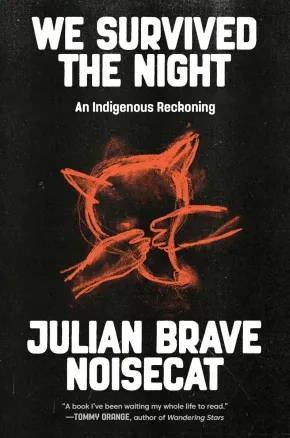
We Survived the Night: An Indigenous Reckoning
$39.00
Format:
Hardcover
Text Content Territories:
Indigenous Canadian; First Nations; Salish; Interior Salish; Secwepemc (Shuswap); Tsq'escen' (Canim Lake Band);
Reading Level: N/A
ISBN / Barcode: 9781039001336
Synopsis:
Synopsis:
A stunning debut work of narrative nonfiction from one of the most powerful Indigenous story-tellers at work in Canada today, We Survived the Night combines investigative journalism, colonial history, Salish Coyote stories and a deeply personal father-son journey in a searing yet uplifting portrait of contemporary Indigenous life.
Born to a charismatic Sécwepemc artist from a tiny reserve in the interior of B.C. and a Jewish-Irish woman from Westchester County, N.Y., Julian Brave NoiseCat grew up in a swirl of contradictions. He was the spitting image of his dad, but was raised mostly by his white mother in the urban Native community of Oakland, CA. He became a competitive powwow dancer, travelling the North American circuit, but despite being embraced by his family, he felt like an outsider when he spent time on his home reserve—drawn to his father's world, his Indigenous heritage and identity, but struggling to make sense of his place in it. Struggling also to make sense of the swirling damage his alcoholic father—who could turn into "a brawling Indian super vigilante in the mould of Billy Jack" out to kick colonialism in the ass—had caused to those he loved.
So in his twenties, NoiseCat set out to uncover and tell the story of his father, of his Coyote People—the Interior Salish nations almost extirpated by the apocalyptic horsemen of colonialism—which soon rippled out, in five years of on-the-ground reporting, into the stories of other First Peoples in the United States and Canada, as NoiseCat attempted to counter the erasure, invisibility and misconceptions surrounding them. We Survived the Night paints a profound, inspiring and unforgettable portrait of Indigenous life, entwined with a deeply powerful reckoning between a father and a son seeking a path to a future full of possibilities—for himself and all the children of Indian Country.
Reviews
“Written in gorgeous, sparse prose, We Survived the Night reads like a novel. Told with a blistering honesty, the truth and grit create a beautifully woven coyote story we haven’t heard before. This is a love letter to Oakland, to the Canim Lake Band Tsq'secen of the Secwepemc Nation, to a father from his son, to the act of being a Native person in the twenty-first century finding ways to love even through all that wounds have opened and wrought. With this, Julian Brave NoiseCat has written a book I’ve been waiting my whole life to read.” —Tommy Orange, author of Wandering Stars
“Thoughtful, informative, often entertaining and just as often saddening, NoiseCat’s is a book to remember.” —Kirkus Reviews
“This book grabs your heart and doesn't let go. Julian Brave NoiseCat has written an immensely powerful, loving, lyrical story of how the profound search to understand our foundations, to know our ancestors, our communities and those closest to us, shapes and influences who we are and the path we walk on. Julian seamlessly weaves the present and past together, as he tells a beautiful, fearless, origin story, his own—the son of the coyote.” —Tanya Talaga, author of The Knowing and Seven Fallen Feathers
Additional Information
432 pages | 6.12" x 9.12" | 8 pp 4c photographs | Hardcover
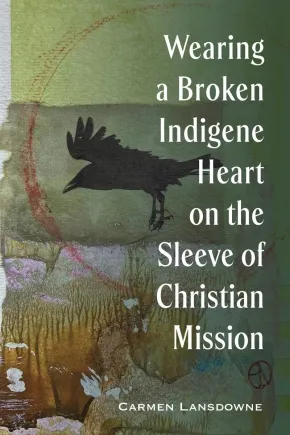
Wearing a Broken Indigene Heart on the Sleeve of Christian Mission
$34.00
Format:
Paperback
Text Content Territories:
Indigenous Canadian;
Reading Level: N/A
ISBN / Barcode: 9781987986181
Synopsis:
Synopsis:
The Indigenous intercultural theology proposed in this groundbreaking work by Dr. Carmen Lansdowne seeks to reframe many of the (often unspoken) assumptions about the field of Christian mission. Dr. Lansdowne searches out answers to the question: If Indigenous hearts are broken by Christianity, what is it in Christian theology that is life giving at all? This book will be essential reading for lay and professional theologians and church leaders; it is also a key contribution to the field of Indigenous Studies, especially as a study of Indigenous-Christian encounter.
Additional Information
256 pages | 6.00" x 9.00" | Paperback

What Comes From Spirit: Richard Wagamese Selected (PB)
$19.95
Format:
Paperback
Text Content Territories:
Indigenous Canadian; First Nations; Anishinaabeg; Ojibway; Wabaseemoong First Nation;
Reading Level: N/A
ISBN / Barcode: 9781771624602
Synopsis:
Synopsis:
A curated collection of Richard Wagamese’s short writings. Richard Wagamese, one of Canada’s most celebrated Indigenous authors and storytellers, was a writer of breathtaking honesty and inspiration. Always striving to be a better, stronger person, Wagamese shared his journey through writing, encouraging others to do the same. This curated collection of Wagamese’s non-fiction works, with an introduction by editor Drew Hayden Taylor, brings together more of the prolific author’s short writings, many for the first time in print, and celebrates his ability to inspire. Drawing from Wagamese’s essays and columns, along with preserved social media and blog posts, this beautifully designed volume is a tribute to Wagamese’s literary legacy.
Reviews
"Treasure these words. Honour his thoughts. But don’t read it too fast. Soak it in. Enjoy every morsel. Linger on each page because every paragraph has nuggets of understanding. Lines of wisdom. Stories to appreciate." — Drew Hayden Taylor
Additional Information
176 pages | 5.50" x 8.00" | Paperback
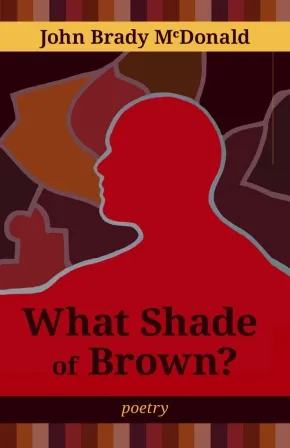
What Shade of Brown
$20.00
Format:
Paperback
Text Content Territories:
Indigenous Canadian; First Nations; Cree (Nehiyawak); Plains Cree; Muskeg Lake Cree Nation; Métis;
Reading Level: N/A
ISBN / Barcode: 9781998926282
Synopsis:
Synopsis:
Passionate poetry and prose exploring the experience of an Indigenous person who feels like a stranger in a strange land, not quite accepted because of his light skin but also undermined by a settler-colonial society. Lyrical and heartfelt, bewildered and shaken, the poet struggles to find a connection to his family and lost culture.
Additional Information
75 pages | 5.50" x 8.50" | Paperback
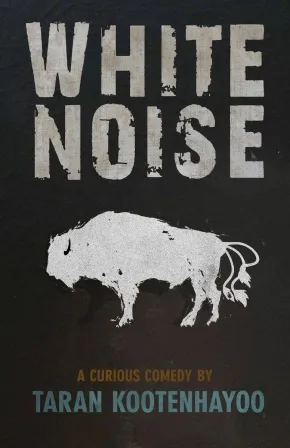
White Noise
$19.95
Format:
Paperback
Text Content Territories:
Indigenous Canadian;
Reading Level: N/A
ISBN / Barcode: 9781772015577
Synopsis:
Synopsis:
Two neighbouring families, one Indigenous and one white, dine together during Truth and Reconciliation Week. As cultural misunderstanding, colonial violence, and racism both covert and overt surface, White Noise asks, “How do we deal with internalized racism? Do we keep pushing it away … or do we make a change?” Taran Kootenhayoo’s answer is both emotionally intense and outrageously hilarious, a blistering comedic exploration of what it means to live in so-called Canada.
Additional Information
128 pages | 5.51" x 8.50" | Paperback
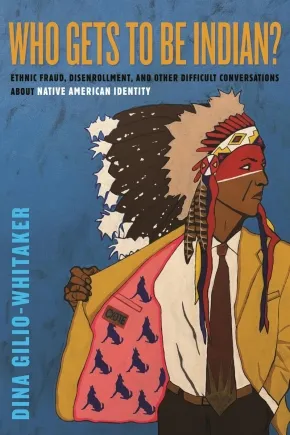
Who Gets to Be Indian?: Ethnic Fraud, Disenrollment, and Other Difficult Conversations About Native American Identity
$39.95
Format:
Hardcover
Text Content Territories:
Indigenous American; Native American;
Reading Level: N/A
ISBN / Barcode: 9780807044964
Synopsis:
Synopsis:
An investigation into how Native American identity became a commodity, from cultural appropriation to ethnic fraud to disenrollment
Settler capitalism has been so effective that the very identities of Indigenous people have been usurped, misconstrued, and weaponized. In Who Gets to Be Indian?, scholar and writer Dina Gilio-Whitaker (Colville Confederated Tribes) explores how ethnic fraud and the commodification of Indianness has resulted in mass confusion about what it means to be Indigenous in the United States.
As an entry point to the seemingly intractable problem of ethnic fraud, Gilio-Whitaker critically looks to the film industry, including a case study of Sacheen Littlefeather, who is most known as the Native American woman that rejected an Oscar on behalf of Marlon Brando in 1973—though later revealed, she was not who she said she was. Gilio-Whitaker argues that this pretendian phenomenon originated in Southern California when the United States was forcing assimilation of Indians into white America culturally, but also into its capitalist economic system. With Indianness becoming a marketized commodity in the Hollywood film business, the field became open to anyone who could convincingly adopt an Indian persona.
Deeply researched using socio-historical analysis, Gilio-Whitaker offers insights from her own experiences grappling with identity to provide clarity and help readers understand how the commodification of Indianness have ultimately left many people of legitimate American Indian heritage to be disconnected from their tribes. Personal and compelling, Gilio-Whitaker takes settler capitalism to task and helps us better understand how we got here in order to counteract the abuses of pretendianism and disenrollment.
Reviews
“This incendiary j’accuse isn’t afraid to name names.”—Publishers Weekly, Starred Review
“With clarity and conviction, Dina Gilio-Whitaker exposes what’s at stake for Native people when Indianness becomes a commodity. A sharp, personal, and urgent look at the high cost for actual Native people in a system built to exploit them at every turn.”—Kim TallBear, author of Native American DNA: Tribal Belonging and the False Promise of Genetic Science
“Indigeneity is caught between truth tellers and tricksters. With abiding concern for tribal nationhood, Dina Gilio-Whitaker boldly espouses our truths while confronting the tricksters among us. Indigenous America needs more truth tellers like her and books like this.”—Gabe Galanda, Indigenous rights attorney
“Dina Gilio-Whitaker’s Who Gets to Be Indian? tackles the problem of the commodification of Native identity at a crucial moment in American history. With incisive analysis, Gilio-Whitaker reveals how settler capitalism has distorted and exploited Indigenous identities and exposes the roots of folks pretending to be Native and its harms to Native communities. This book is a call to action and a vital tool for understanding how we can protect Indigenous people. A must-read for anyone seeking to confront the complexities of Native identity, sovereignty, and power in America.”—Liza Black, author of Picturing Indians: Native Americans in Film, 1941–1960
“A fresh and unflinching look into the rise of pretendianism—when it became normalized for Hollywood to grant Native American identities to various grifters. Dina Gilio-Whitaker’s courageous and original analysis will challenge readers, Indigenous or not, to think deeply about the nature of settler colonialism today.”—Darryl Leroux, author of Distorted Descent: White Claims to Indigenous Identity
Additional Information
280 pages | 6.22" x 9.30" | Hardcover
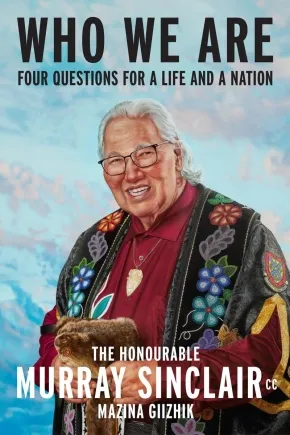
Who We Are: Four Questions For a Life and a Nation (PB)
$26.00
Format:
Paperback
Text Content Territories:
Indigenous Canadian; First Nations; Anishinaabeg; Ojibway;
Reading Level: N/A
ISBN / Barcode: 9780771099137
Synopsis:
Synopsis:
Judge, senator, and activist. Father, grandfather, and friend. This is Murray Sinclair’s story—and the story of a nation—in his own words, an oral history that forgoes the trappings of the traditional written memoir to center Indigenous ways of knowledge and storytelling. As Canada moves forward into the future of reconciliation, one of its greatest leaders guides us to ask the most important and difficult question we can ask of ourselves: Who are we?
For decades, Senator Sinclair has fearlessly educated Canadians about the painful truths of our history. He was the first Indigenous judge in Manitoba, and only the second Indigenous judge in Canadian history. He was the Chair of the Truth and Reconciliation Commission, and remains one of the foremost voices on Reconciliation. And now, for the first time, he will share his full story—and his full vision for our nation—with readers across Canada.
Drawing on Senator Sinclair’s unique experiences, and his perspectives regarding Indigenous identity, human rights, and justice in Canada, Who We Are will examine the roles of history, resistance, and resilience in the pursuit of finding that path forward, and healing the damaged relationship between Indigenous Peoples and non-Indigenous peoples in Canada. And in doing so, it will reveal Senator Sinclair’s life in a new and direct way, exploring how all of these experiences shaped him as an Anishinaabe man, father, and grandfather.
Structured around the four questions that have long shaped Senator Sinclair’s thinking and worldview—Where do I come from? Where am I going? Why am I here? Who am I?—Who We Are will take readers into the story of his remarkable life as never before, while challenging them to embrace an inclusive vision for our shared future.
The book includes the What We Have Learned report, created by the Truth and Reconciliation Commission of Canada (TRC).
Reviews
“Who We Are is a very special, very important book. With deep humility, surprising humour, and abiding humanity—all the 'humes,' if you will—Murray Sinclair made me feel as though I was sitting beside him at a campfire, listening to stories and teachings from his most remarkable life. I could hear his voice. I could feel the fire. I could imagine a better world. But Murray Sinclair asks us to do more than imagine it. By sharing with unflinching honesty what shaped him as a visionary leader, he calls us to change the world, to make it better for each new generation, and to honour the sacredness of Creation. I will return to Who We Are again and again, for his stories, his soulful poems, and his guidance. This book, so much about understanding where we have come from, is a gift to where we are going.”—Shelagh Rogers, O.C., Chancellor of Queen’s University and Honorary Witness in the Truth and Reconciliation Commission
“It would be impossible to quantify Murray Sinclair’s impact on this place that we call Canada. He’s said that since education got us into this mess, education must get us out of it. If that’s true, and I believe it is, he is one of our most important teachers. The pursuit of reconciliation takes place on a long and winding road. It will take generations to reach our destination, but this book and Sinclair’s voice will stand the test of time, guiding us in his wisdom and the example he has set in how he has lived his life.”—David A. Robertson, bestselling author of the Misewa Saga Series
Additional Information
480 pages | 5.18" x 8.00" | Paperback

Wilful Neglect: The Federal Response to Tuberculosis among First Nations, 1867–1945
$34.95
Format:
Paperback
Text Content Territories:
Indigenous Canadian; First Nations;
ISBN / Barcode: 9780228026204
Synopsis:
Synopsis:
How colonial medical policies are linked to health inequities that persist in First Nations a century later.
Tuberculosis, once a leading cause of death in Europe and North America, was understood to be preventable and even curable by the early twentieth century. Yet despite growing knowledge about the disease and interventions that would slow its spread, tuberculosis deaths among First Nations in Canada remained staggeringly high. Government policies rooted in colonialism exacerbated a tuberculosis epidemic. Wilful Neglect explores the devastating consequences of the Department of Indian Affairs’ failed responses to tuberculosis among First Nations in Canada from 1867 to 1945. Even when medical treatment for tuberculosis became widely available, and despite the codification of the federal government’s obligations in treaties and other legislation, the basic health needs of First Nations remained unmet. The government instead prioritized an assimilationist agenda, including the placement of Indigenous children in residential schools, which became hotbeds for the spread of the infection. Drawing on the department’s own annual reports, memoranda, and budgets over more than seventy years, Jane Thomas traces key moments, decisions, and individuals involved in shaping federal health policy, laying bare the repercusions of racializing a disease. Health policies developed by colonial governments without the involvement of First Nations have always failed. Wilful Neglect demonstrates a direct link between the federal government’s historical health policies and the disparities that continue into the present.
Reviews
“Wilful Neglect is a compelling national case study of the federal government’s complicity in the deaths of thousands of First Nations individuals during the tuberculosis epidemics of the nineteenth and twentieth centuries.” - Hugh Shewell, Carleton University
Educator Information
Table of Contents
Figures and Table • ix
Foreword • xi
Shawn Batise
Acknowledgments • xv
Abbreviations • xxi
Introduction • 3
1 “The promises we have to make to you are not for today only but for tomorrow”: Setting Precedent Through Legislation, Treaties, and Government Practice, 1867–1883 • 25
2 “There is a ready compliance on their part with regulations”: Assimilation at All Costs Through Civilizing, Christianizing, and Sanitizing the Infected, 1884–1903 • 47
3 “We are giving the best attention we can to the medical needs of the Indians”: Dr Peter Bryce’s anti-TB Crusade, 1904–1913 • 70
4 “We have been trying to get off rather cheaply”: Treatment of “Indian Tuberculosis,” 1914–1928 • 109
5 “The activities of the medical branch cannot fairly be judged by the visible results”: Vaccine Trials, Pilot Projects, and a New Medical Services Branch, 1929–1937 • 139
6 “A comprehensive and progressive program is long overdue”: New Funding and Treatment Facilities, 1938–1945 • 172
Conclusion: If Preventable, Why Not Prevented? • 193
Afterword • 199
Appendix A: Individuals Responsible for the Department of Indian Affairs (1867–1945) • 202
Appendix B: Department of Indian Affairs Medical Expenses (1868–1904) • 206
Appendix C: Timeline of United Church Mission Hospitals Opened in Canada • 208
Appendix D: Canadian Tuberculosis Association Expenses (1902–1945) • 210
Appendix E: Department of Indian Affairs Medical Expenses (1905–1945) • 212
Notes • 217
Bibliography • 271
Index • 289
Additional Information
318 pages | 6" x 9" | Paperback
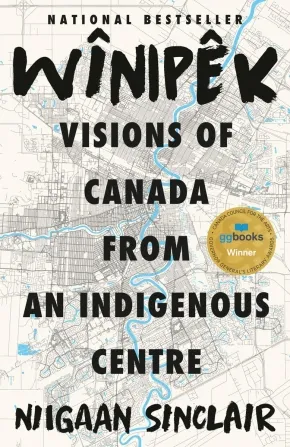
Wînipêk: Visions of Canada from an Indigenous Centre (PB)
$24.00
Format:
Paperback
Text Content Territories:
Indigenous Canadian; First Nations; Anishinaabeg;
Reading Level: N/A
ISBN / Barcode: 9780771099199
Synopsis:
Synopsis:
From ground zero of this country's most important project: reconciliation
Niigaan Sinclair has been called provocative, revolutionary, and one of this country's most influential thinkers on the issues impacting Indigenous cultures, communities, and reconciliation in Canada. In his debut collection of stories, observations, and thoughts about Winnipeg, the place he calls "ground zero" of Canada's future, read about the complex history and contributions of this place alongside the radical solutions to injustice and violence found here, presenting solutions for a country that has forgotten principles of treaty and inclusivity. It is here, in the place where Canada began—where the land, water, people, and animals meet— that a path "from the centre" is happening for all to see.
At a crucial and fragile moment in Canada's long history with Indigenous peoples, one of our most essential writers begins at the centre, capturing a web spanning centuries of community, art, and resistance.
Based on years' worth of columns, Niigaan Sinclair delivers a defining essay collection on the resilience of Indigenous peoples. Here, we meet the creators, leaders, and everyday people preserving the beauty of their heritage one day at a time. But we also meet the ugliest side of colonialism, the Indian Act, and the communities who suffer most from its atrocities.
Sinclair uses the story of Winnipeg to illuminate the reality of Indigenous life all over what is called Canada. This is a book that demands change and celebrates those fighting for it, that reminds us of what must be reconciled and holds accountable those who must do the work. It's a book that reminds us of the power that comes from loving a place, even as that place is violently taken away from you, and the magic of fighting your way back to it.
Awards
- Winner of the 2024 Governor General's Literary Award for Nonfiction.
Additional Information
384 pages | 5.14" x 7.92" | b&w photos throughout | Paperback
Winnipeg: and Other Places
$9.95
Format:
Paperback
Reading Level: N/A
ISBN / Barcode: 9781998779604
Synopsis:
Synopsis:
Winnipeg and Other Places / Winnipeg et ailleurs is a back-to-back bilingual collection of short stories which read as sketches or snapshots of the author’s wanderings. Seen through the author’s subjective lenses, no two people have the same recollection of the past or of what just happened. Memory, loss, and longing are shaped by the author’s native Winnipeg and wherever else fate has taken him.
Educator Information
Bilingual: English and French.
Additional Information
75 pages | 3.00" x 5.00" | Paperback
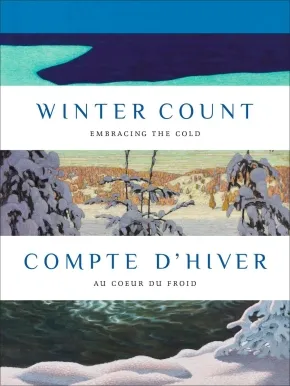
Winter Count | Compte d'hiver: Embracing the Cold | Au cœur du froid
$55.00
Format:
Paperback
Text Content Territories:
Indigenous Canadian; First Nations;
Reading Level: N/A
ISBN / Barcode: 9781773104928
Synopsis:
Synopsis:
Winter Count draws inspiration from the Plains First Nations practices of recording significant events each winter, a visual reminder that helps structure histories and traditions passed down to future generations. This handsome volume explores how winter has long shaped Indigenous, Canadian settler, and northern European art, uniting different cultural perspectives through such diverse topics as storytelling, effects of light, physical adaptation, and community and isolation.
Presenting a selection of works spanning from the early 19th century to the present day — including artists such as Kenojuak Ashevak, J.E.H. MacDonald, Claude Monet, Kent Monkman, Megan Musseau, and Jin-me Yoon — Winter Count features approximately 170 plates, along with illustrated essays by curators from the National Gallery of Canada. The result is a book that invites readers to see winter anew — not as a season to be endured, but as a source of invention, connection, and mutual respect across time and place.
Educator Information
Dual-language: English and French
Additional Information
304 pages | 9.00" x 12.00" | Paperback
Sort By
Go To
of 9
 Our logo reflects the greater Nation we live within—Turtle Island (North America)—and the strength
and core of the Pacific Northwest Coast peoples—the Cedar Tree, known as the Tree of Life. We are
here to support the building of strong nations and help share Indigenous voices.
Our logo reflects the greater Nation we live within—Turtle Island (North America)—and the strength
and core of the Pacific Northwest Coast peoples—the Cedar Tree, known as the Tree of Life. We are
here to support the building of strong nations and help share Indigenous voices.


