


Niigaanwewidam James Sinclair
Niigaanwewidam James Sinclair is Anishinaabe, originally from St. Peter's (Little Peguis) Indian Settlement. He is an assistant professor in the departments of English and Native Studies at the University of Manitoba. His essays, articles, and short stories have appeared in books and journals throughout Turtle Island. In 2009, he co-edited (with Renate Eigenbrod) a double issue of The Canadian Journal of Native Studies (#29; 1 & 2) and was a featured author in The Exile Book of Native Canadian Fiction and Drama, edited by Daniel David Moses (2011). His book Manitowapow: Aboriginal Writings from the Land of Water (co-edited with Warren Cariou) is an anthology of Manitoba Aboriginal writing from the past three centuries. Another, Centering Anishinaabeg Studies (co-edited with Jill Doerfler and Heidi Kiiwetinepinesiik Stark), is a collection of critical and creative works on Anishinaabeg story. A former high-school drama and language arts teacher, Niigon has authored a number of teachers' guides for Portage & Main Press. He currently lives in Winnipeg, where he is completing his PhD in Anishinaabeg literatures and traditional expression.
Books (1)
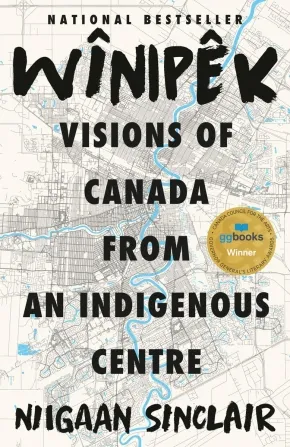


Wînipêk: Visions of Canada from an Indigenous Centre (PB)
$24.00
Format: Paperback
Text Content Territories:
Indigenous Canadian; First Nations; Anishinaabeg;
Reading Level: N/A
ISBN / Barcode: 9780771099199
Synopsis:
Synopsis:
From ground zero of this country's most important project: reconciliation
Niigaan Sinclair has been called provocative, revolutionary, and one of this country's most influential thinkers on the issues impacting Indigenous cultures, communities, and reconciliation in Canada. In his debut collection of stories, observations, and thoughts about Winnipeg, the place he calls "ground zero" of Canada's future, read about the complex history and contributions of this place alongside the radical solutions to injustice and violence found here, presenting solutions for a country that has forgotten principles of treaty and inclusivity. It is here, in the place where Canada began—where the land, water, people, and animals meet— that a path "from the centre" is happening for all to see.
At a crucial and fragile moment in Canada's long history with Indigenous peoples, one of our most essential writers begins at the centre, capturing a web spanning centuries of community, art, and resistance.
Based on years' worth of columns, Niigaan Sinclair delivers a defining essay collection on the resilience of Indigenous peoples. Here, we meet the creators, leaders, and everyday people preserving the beauty of their heritage one day at a time. But we also meet the ugliest side of colonialism, the Indian Act, and the communities who suffer most from its atrocities.
Sinclair uses the story of Winnipeg to illuminate the reality of Indigenous life all over what is called Canada. This is a book that demands change and celebrates those fighting for it, that reminds us of what must be reconciled and holds accountable those who must do the work. It's a book that reminds us of the power that comes from loving a place, even as that place is violently taken away from you, and the magic of fighting your way back to it.
Awards
- Winner of the 2024 Governor General's Literary Award for Nonfiction.
Additional Information
384 pages | 5.14" x 7.92" | b&w photos throughout | Paperback
Teen Books (1)
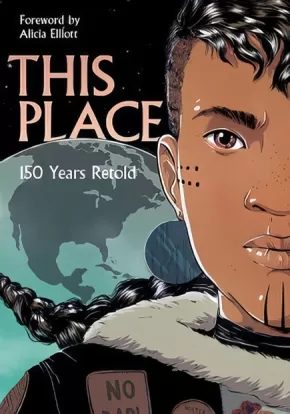
This Place: 150 Years Retold
$39.00
 Show More
 Show Less
Format: Paperback
Text Content Territories:
Indigenous Canadian;
ISBN / Barcode: 9781553797586
Synopsis:
Synopsis:
Explore the past 150 years through the eyes of Indigenous creators in this groundbreaking graphic novel anthology. Beautifully illustrated, these stories are an emotional and enlightening journey through Indigenous wonderworks, psychic battles, and time travel. See how Indigenous peoples have survived a post-apocalyptic world since Contact.
Watch for new stories and familiar characters:
- Métis businesswoman Annie Bannatyne and Louis Riel
- Oka Crisis, Meech Lake Accord, and Kelowna Accord
- the Berger Inquiry into the Mackenzie Valley Pipeline
- Jack Fiddler, an Anishinaabe shaman charged as a serial killer
- Rosie, an Inuk girl coming of age during WWII
- wâpanacâhkos, an Indigenous woman sent back from the future to the early 2000s
- fishing raids and salmon wars in Listuguj, Quebec
- Francis Pegahmagabow, WWI sniper and veterans’ rights activist
- the impact of the Sixties Scoop and the child welfare system
- Chief Billy Assu and the potlatch bans in British Columbia
Reviews
Niigaanwewidam James Sinclair, one of the contributors to this work, says the book is, an “opportunity to shine a light on the stories most Canadians haven’t heard, to learn from Indigenous communities from 1867 to present day—whether these stories are influenced by the creation of Canada or not."
"…breathtaking comics anthology…this mix of powerful storytelling and memorable illustrations is a place to begin a dialogue with Indigenous peoples in Canada." —The Globe and Mail
"The anthology is visually gorgeous. Each story is powerfully conveyed, reflecting a time and moment in the Indigenous history of Canada…great read for any age." —Quill & Quire, starred review
"This Place is the graphic novel I’ve waited my whole life for, and the graphic novel Canada has needed for 150 years. The stories contained within its pages are both beautifully rendered and vitally necessary. They represent a history not only largely untold and unknown, but one obscured, hidden from sight, so that other stories may occupy a privileged place in the defining a national story. Their importance is exquisitely captured on these pages, told by some the leading artists working today. This is an essential book, for comic fans, teachers and anyone who wants to learn the stories of this place we now share." —Jesse Wente, broadcaster and film critic
"A landmark collection of Indigenous comics that redraws how we understand the past, present, and future of Indigenous communities and cultures since Confederation. Each chapter immerses us in a gripping story about real people brought to life through vivid and affecting artwork. This collection proves the power of comics storytelling to create fresh pathways to knowledge and new ways of envisioning Indigenous experiences." —Candida Rifkind, University of Winnipeg
"This is the power of storytelling. It’s going deeper and truer than the history books and the newspaper accounts. It’s bringing the stories to the people for the people and doing it for the right reasons: to teach and to illuminate. This Place: 150 Years Retold is the dawn to a new storytelling tradition that doesn’t need to be held back. It should be shouted forward from now on." —Helen Kubiw, CanLit for LittleCanadians
Educator Information
This graphic novel is recommended for ages 15+.
Recommended in the Canadian Indigenous Books for Schools 2019-2020 resource list for grades 7 to 12 for Art Education, English Language Arts, Law, and Social Studies.
These stories refer to real incidents and include graphic violence, abuse, and death.
A teacher's guide is available: This Place: 150 Years Retold Teacher Guide
Additional Information
250 Pages
 Our logo reflects the greater Nation we live within—Turtle Island (North America)—and the strength
and core of the Pacific Northwest Coast peoples—the Cedar Tree, known as the Tree of Life. We are
here to support the building of strong nations and help share Indigenous voices.
Our logo reflects the greater Nation we live within—Turtle Island (North America)—and the strength
and core of the Pacific Northwest Coast peoples—the Cedar Tree, known as the Tree of Life. We are
here to support the building of strong nations and help share Indigenous voices.


