


Indigenous Peoples in Canada
151
-
165
of
578 Results;
Sort By
Go To
of 39
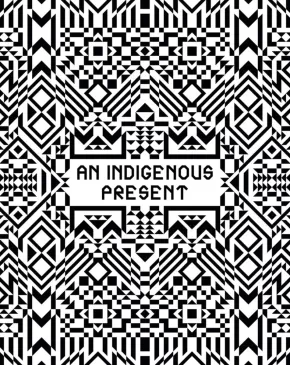


An Indigenous Present
$108.50
Artists:
Editors:
Format:
Hardcover
Text Content Territories:
Indigenous American; Indigenous Canadian;
Reading Level: N/A
ISBN / Barcode: 9781636811024
Synopsis:
Synopsis:
A monumental gathering of more than 60 contemporary artists, photographers, musicians, writers and more, showcasing diverse approaches to Indigenous concepts, forms and mediums
This landmark volume is a gathering of Native North American contemporary artists, musicians, filmmakers, choreographers, architects, writers, photographers, designers and more. Conceived by Jeffrey Gibson, a renowned artist of Mississippi Choctaw and Cherokee descent, An Indigenous Present presents an increasingly visible and expanding field of Indigenous creative practice. It centers individual practices, while acknowledging shared histories, to create a visual experience that foregrounds diverse approaches to concept, form and medium as well as connection, influence, conversation and collaboration. An Indigenous Present foregrounds transculturalism over affiliation and contemporaneity over outmoded categories.
Artists include: Neal Ambrose-Smith, Teresa Baker, Natalie Ball, Laakkuluk Williamson Bathory, Rebecca Belmore, Andrea Carlson, Nani Chacon, Raven Chacon, Dana Claxton, Melissa Cody, Chris T. Cornelius, Lewis deSoto, Beau Dick, Demian DineYazhi’, Wally Dion, Divide and Dissolve, Korina Emmerich, Ka’ila Farrell-Smith, Yatika Starr Fields, Nicholas Galanin, Raven Halfmoon, Elisa Harkins, Luzene Hill, Anna Hoover, Sky Hopinka, Chaz John, Emily Johnson, Brian Jungen, Brad Kahlhamer, Sonya Kelliher-Combs, Adam Khalil, Zack Kahlil, Kite, Layli Long Soldier, Erica Lord, Cannupa Hanska Luger, Tanya Lukin Linklater, James Luna, Dylan McLaughlin, Meryl McMaster, Caroline Monnet, Audie Murray, New Red Order, Jamie Okuma, Laura Ortman, Katherine "KP" Paul/Black Belt Eagle Scout, Postcommodity, Wendy Red Star, Eric-Paul Riege, Cara Romero, Sara Siestreem, Rose B. Simpson, Jaune Quick-to-See Smith, Hulleah J. Tsinhnahjinnie, Anna Tsouhlarakis, Arielle Twist, Marie Watt, Dyani White Hawk and Zoon a.k.a. Daniel Glen Monkman.
Additional Information
448 pages | 9.75" x 12.25" | 387 Illustrations | Hardcover
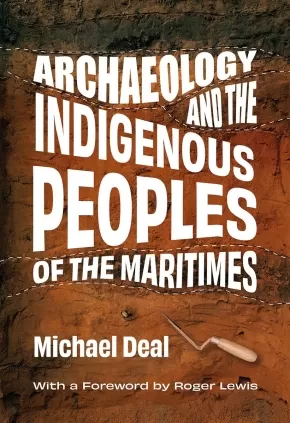
Archaeology and the Indigenous Peoples of the Maritimes
$34.95
Format:
Paperback
Text Content Territories:
Indigenous Canadian; First Nations; Mi'kmaq;
Reading Level: N/A
ISBN / Barcode: 9781990445118
Synopsis:
Synopsis:
A retrospective look at the precontact period of the Maritimes, and how precontact cultures changed as they encountered neighbouring Indigenous peoples and European colonists.
In recent decades, the development of Indigenous Archaeology has prompted a shift in how non-Indigenous archaeologists approach the archaeological record, moving toward the inclusion of Indigenous reconstructions of precontact history communicated through oral tradition and traditional practices. Drawing mainly on research conducted since the late 1950s, this book surveys the historical perspective, theory, and methodology of maritime archaeology and offers insight on the lives of the Palaeo (Ancient), Archaic (Long Ago), and Woodland (Clay Pot) peoples. Looking to provide answers to where the earliest inhabitants of the Maritimes came from, what the area was like when they were there, and how they developed their technology and expanded their populations, Archaeology and the Indigenous Peoples of the Maritimes provides a retrospective look at the precontact period and how precontact cultures changed as they encountered neighbouring Indigenous peoples and finally European colonists.
Reviews
"Studies of Indigenous knowledge are challenging not only because of difficulties in cross-cultural communication and understanding but also because of their inevitable political dimensions…This publication serves to help narrow those gaps for future young Mi’kmaw scholars and academics. It also forms a valuable addition to the existing body of knowledge and will serve as a great resource to both Mi’kmaw and non-Mi’kmaw readers in the Atlantic Region." - Roger Lewis, Foreword
Additional Information
6.00" x 9.00" | Paperback
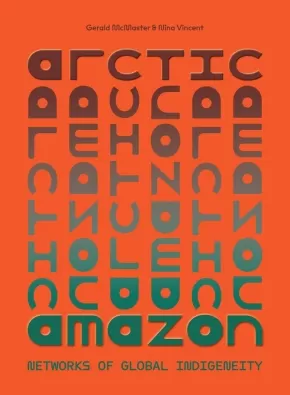
Arctic/Amazon: Networks of Global Indigeneity
$60.00
Editors:
Format:
Hardcover
Text Content Territories:
Indigenous Canadian; Indigenous South American;
Grade Levels: 12; University/College;
ISBN / Barcode: 9781773102993
Synopsis:
Synopsis:
Arctic/Amazon: Networks of Global Indigeneity offers a conversation between Indigenous Peoples of two regions in this time of political and environmental upheaval. Both regions are environmentally sensitive areas that have become hot spots in the debates circling around climate change and have long been contact zones between Indigenous Peoples and outsiders — zones of meeting and clashing, of contradictions and entanglement.
Opening with an Epistolary Exchange between the editors, Arctic/Amazon then widens to include essays by 12 Indigenous artists, curators, and knowledge-keepers about the integration of spirituality, ancestral respect, traditional knowledges, and political critique in artistic practice and more than 100 image reproductions and installation shots. The result is an extraordinary conversation about life, artistic practise, and geopolitical realities faced by Indigenous peoples in regions at risk.
Additional Information
256 pages | 8.87" x 12.12" | Hardcover
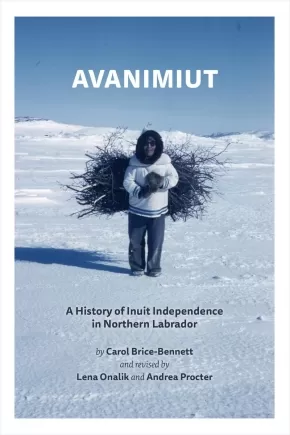
Avanimiut: A History of Inuit Independence in Northern Labrador
$29.95
Format:
Paperback
Text Content Territories:
Indigenous Canadian; Inuit; Labradormiut (Labrador Inuit);
Reading Level: N/A
ISBN / Barcode: 9781990445149
Synopsis:
Synopsis:
Called the Northlanders by the Moravian missionaries who sought to colonize them, Avanimiut were Inuit who maintained traditional lifeways, autonomy, and spiritual beliefs in northernmost Labrador. Despite the attempts of the Moravian Mission, the Hudson’s Bay Company, and the Anglican Church to bring them into their Christian and commercial trading worlds, the Avanimiut often held on to their independence. Avanimiut: A History of Inuit Independence in Northern Labrador is the story of a people often displaced by relocation who survived and thrived despite the hardships they faced.
The first version of Avanimiut, a 1996 report titled “Northlanders,” was commissioned by the Labrador Inuit Association and written by Carol Brice-Bennett. Lena Onalik and Andrea Procter have modified the original manuscript to incorporate historical Inuit writing and interviews, including the Inuit voices that had previously been almost entirely omitted. Avanimiut presents these voices alongside the colonial accounts of Inuit families who continued to live in their ancestral territories of Labrador, providing a glimpse into their lives, families, and relationships.
From the earliest interactions between Inuit and Europeans in Labrador to the final eviction of Inuit from their northern homeland, this book illustrates the dignified history of Avanimiut families and honours the strength, resilience, and survival of their ancestors in the north.
Additional Information
414 pages | 6.00" x 9.00" | Paperback

Better Next Year: An Anthology of Christmas Epiphanies
$24.95
Editors:
● JJ Lee
Format:
Paperback
Text Content Territories:
Indigenous Canadian;
Reading Level: N/A
ISBN / Barcode: 9781990160271
Synopsis:
Synopsis:
Christmas is trumpeted as a time of peace, joy, bounty and goodwill. Believers and non-believers alike covet the spirit of the holidays even when circumstances are screwed up.
Recollections from acclaimed Canadian authors combine with emerging voices from across the country in an anthology that debunks the popular depiction of Christmas while delivering its messages of hope and renewal.
Writers of colour, immigrants, Indigenous authors, members of the queer and transgendered community and those marginalized by personal circumstance share memories of surviving bleak Christmases past: holidays spent in shelters, prisons or on the streets; families marred by alcohol and violence; personal struggles with addiction, poverty or grief; isolation and loneliness. Despite these and other obstacles, contributors strive to salvage the spirit of the season.
With contributions from:
- Tolu Oloruntoba, winner of the Governor-General’s Award and Griffin Prize for poetry
- Sonja Larsen, winner of the Edna Staebler Award for creative non-fiction
- JJ Lee, shortlisted for the Governor General, Hilary Weston and Charles Taylor prizes for non-fiction
- Joseph Kakwinokanasum, named a Rising Star by The Writers Union of Canada
Educator Information
Some but limited Indigenous content; it's up to readers to determine if this will work as an authentic resource for their purposes.
Additional Information
260 pages | 5.50" x 8.50" | Paperback

Canadian Business Owner's Guide to Reconciliation: Best Practices for Indigenous Inclusion
$29.95
Format:
Paperback
Text Content Territories:
Indigenous Canadian;
Reading Level: N/A
ISBN / Barcode: 9781770403475
Synopsis:
Synopsis:
Reconciliation is for businesses, too.
From colonization through the Indian Act and residential schools, there is a lot of complicated history in the country we now call Canada. Between Indigenous and non-Indigenous people there is a disconnect, a fractured relationship we now need to make right. But what does Reconciliation mean, and specifically what does it mean for businesses?
The Canadian Business Owner’s Guide to Reconciliation is about how our history affects the present, and how we need to deal with the past so we can move into the future together. It’s about creating opportunities to include Indigenous voices in business, education around Indigenous history and best practices for businesses, and how we can reverse some of the unfair and unsustainable practices to create a better, more inclusive climate.
Author Alison Tedford brings her experience working with government, business, and nonprofits on Indigenous issues including reconciliation over the past two decades to this book.
If you're in business in Canada, you need to know how you can participate in reconciliation and transforming relations for a brighter future.
Additional Information
128 pages | 6.00" x 9.00" | Paperback
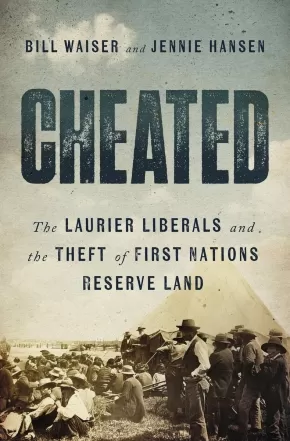
Cheated: The Laurier Liberals and the Theft of First Nations Reserve Land
$29.95
Format:
Paperback
Text Content Territories:
Indigenous Canadian; First Nations; Assiniboine (Nakoda Oyadebi); Siyónide Nakóna Oyáde (Pheasant Rump Nakota First Nation); Ocean Man First Nation;
Reading Level: N/A
ISBN / Barcode: 9781770417489
Synopsis:
Synopsis:
“Canadians and politicians have a common responsibility: to learn from the mistakes inherited from a colonialist legacy; and to not repeat the wrongs, corruption, and injustices our people suffered in the hands of government officials, politicians, and their oppressive laws. Reading and learning from Cheated would be a good place to start reconciliation and reparation.” — Ovide Mercredi, former National Chief of the Assembly of First Nations
The story of how Laurier Liberals took hold of the Department of Indian Affairs in 1896 and transformed it into a machine for expropriating Indigenous land.
You won’t find the Ocean Man and Pheasant Rump reserves on a map of southeastern Saskatchewan. In 1901, the two Nakoda bands reluctantly surrendered the 70 square miles granted to them under treaty. It’s just one of more than two dozen surrenders aggressively pursued by the Laurier Liberal government over a fifteen-year period. One in five acres was taken from First Nations.
This confiscation was justified on the grounds that prairie bands had too much land and that it would be better used by white settlers. In reality, the surrendered land was largely scooped up by Liberal speculators — including three senior civil servants and a Liberal cabinet minister —and flipped for a tidy profit. None were held to account.
Cheated is a gripping story of single-minded politicians, uncompromising Indian Affairs officials, grasping government appointees, and well-connected Liberal speculators, set against a backdrop of politics, power, patronage, and profit. The Laurier government’s settlement of western Canada can never be looked at the same way again.
Additional Information
352 pages | 5.75" x 8.75" | 68 b&w photos; 3 maps | Paperback
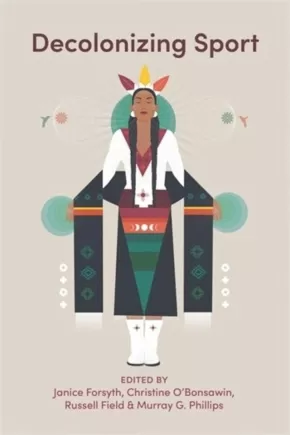
Decolonizing Sport
$29.00
 Show More
 Show Less
 Format:
Paperback
Text Content Territories:
Indigenous Peoples in Africa; Indigenous New Zealander; Indigenous Canadian; Indigenous Australian; Indigenous American; Indigenous;
Reading Level: N/A
ISBN / Barcode: 9781773636344
Synopsis:
Synopsis:
Indigenous Peoples have taken physical recreational activity – sport – back from the colonizers. One of very few books to show the two edges of sport: it colonized but is now decolonizing.
Decolonizing Sport tells the stories of sport colonizing Indigenous Peoples and of Indigenous Peoples using sport to decolonize. Spanning several lands — Turtle Island, the US, Australia, Aotearoa/New Zealand and Kenya — the authors demonstrate the two sharp edges of sport in the history of colonialism. Colonizers used sport, their own and Indigenous recreational activities they appropriated, as part of the process of dispossession of land and culture. Indigenous mascots and team names, hockey at residential schools, lacrosse and many other examples show the subjugating force of sport. Yet, Indigenous Peoples used sport, playing their own games and those of the colonizers, including hockey, horse racing and fishing, and subverting colonial sport rules as liberation from colonialism. This collection stands apart from recent publications in the area of sport with its focus on Indigenous Peoples, sport and decolonization, as well as in imagining a new way forward.
Educator Information
Table of Contents
Sport, Colonialism and Decolonization (Janice Forsyth, Christine O’Bonsawin, Murray G. Phillips and Russell Field)
Section 1: Storytelling Beyond Competition: An Indigenous Perspective on Organized Sport (Brian Rice)
More Than a Mascot: How the Mascot Debate Erases Indigenous People in Sport (Natalie Welch)
Section 2: Interrogating the Archive Witnessing Painful Pasts: Understanding Images of Sports at Canadian Indian Residential Schools (Taylor McKee and Janice Forsyth)
On the Absence of Indigenous Moving Bodies: Whiteness, Decolonization and Indigenous/Indigenizing Sport History (Malcolm MacLean)
Section 3: Rights and Reconciliation # 87: Reconciliation, Sport History and Indigenous Peoples in Canada (Victoria Paraschak)
Taken at Face Value: The Legal Feasibility of Indigenous-Led Olympic Games (Christine O’Bonsawin)
Section 4: Settler Colonialism Canoe Races to Fishing Guides: Sport and Settler Colonialism in Mi’kma’ki (John Reid)
Moments of Transcending Colonialism? Rodeos and Races in Lethbridge (Robert Kossuth)
“Men Pride Themselves on Feats of Endurance”: Masculinities and Movement Cultures in Kenyan Running History (Michelle M. Sikes)
Section 5: Resistance and Activism Stealing, Drinking and Non-Cooperation: Sport, Everyday Resistance in Aboriginal Settlements in Australia (Gary Osmond)
Let’s Make Baseball! Practices of Unsettling on the Recreational Ball Diamonds of Tkaronto/Toronto (Craig Fortier and Colin Hastings)
Subjugating and Liberating at Once: Indigenous Sport History as a Double Edged Sword (Brendan Hokowhitu)
Additional Information
256 pages | 6.00" x 9.00" | Paperback
E nâtamukw miyeyimuwin: Residential School Recovery Stories of the James Bay Cree, Volume 1
$29.99
Format:
Paperback
Text Content Territories:
Indigenous Canadian; First Nations; Cree (Nehiyawak); James Bay Cree;
Reading Level: N/A
ISBN / Barcode: 9781989796238
Synopsis:
Synopsis:
In this quietly powerful and deeply human book, Ruth DyckFehderau and twenty-one James Bay Cree storytellers put a face to Canada’s Indian Residential School cultural genocide.
Through intimate personal stories of trauma, loss, recovery, and joy, they tell of experiences in the residential schools themselves, in the homes when the children were taken, and on the territory after survivors returned and worked to recover from their experiences and to live with dignity. The prose is clear and accessible, the stories remarkably individual, the detail vivid but not sensational.
Together they reveal the astonishing courage and strength of children along with the complexity and myriad methods of their oppressors. A tough, often funny, and ultimately uplifting book that’s not quite like anything else out there.
This book is published by Cree Board of Health and Social Services of James Bay and distributed by WLU Press.
Reviews
“These previously unwritten stories of lived, traumatized experiences are testament to the storytellers’ courage and strength and resilience. When the rich Cree traditional and spiritual relationship with land and with family is harmed by separation, hatred, and fear - a harm resulting in anger and loss of values, identity, and self-worth - these storytellers find ways to heal. Through their stories, you learn about culture as treatment, about the power of forgiveness and love, and about peaceful co-existence in community as essential to healing, belief, and advancing true reconciliation.” —Chief Willie Littlechild, Ermineskin Cree Nation, Former Truth and Reconciliation Commissioner, Former residential school student athlete, Order of Canada; Order of Sport, Member of Sports Halls of Fame, Canada and North America
“These Cree stories, told with utmost respect and a feeling of safety, are gifts. They are medicine.” —Joanna Campiou, Woodland/Plains Cree Knowledge Keeper
“This is a difficult but necessary book. There’s a power to truth and to the realities of the Indian Residential School system, but for those wanting to see strength and movement toward hope, this is the book for you. These stories hold that hope close to the heart. What shines through is a love of the land, a love of community, a love of the Cree language, a love of family – exactly what colonial forces like the IRS system tried to destroy but couldn’t.” —Conor Kerr, Metis/Ukrainian author, Avenue of Champions, Giller Prize longlist
Additional Information
320 pages | 7.00" x 9.00" | Paperback
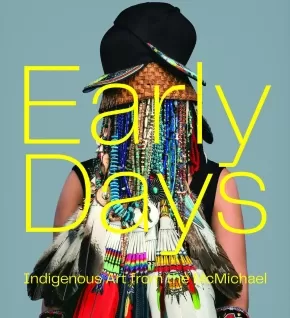
Early Days: Indigenous Art from the McMichael
$70.00
Artists:
Format:
Hardcover
Text Content Territories:
Indigenous Canadian;
ISBN / Barcode: 9781773272337
Synopsis:
Synopsis:
A landmark publication bringing together more than seventy voices illuminating the rich array of Indigenous art held by the McMichael Canadian Art Collection.
Under the editorial direction of Anishinaabe artist and scholar Bonnie Devine, Early Days gathers the insights of myriad Indigenous cultural stakeholders, informing us on everything from goose hunting techniques, to the history of Northwest Coast mask-making, to the emergence of the Woodland style of painting and printmaking, to the challenges of art making in the Arctic, to the latest developments in contemporary art by Indigenous peoples from across Turtle Island.
Splendidly illustrated, Early Days not only tells the story of a leading collection but also traces the emergence and increasing participation of many Indigenous artists in the contemporary art world. This publication will be the largest in the history of the McMichael, and represents a vital acknowledgment of the place of Indigenous art and ways of knowing in global art history.
Featured contributors: Barry Ace, Leland Bell, Dempsey Bob, Christian Chapman, Violet Chum, Hannah Claus, Dana Claxton, Jisgang Nika Collison, Alan Corbiere, Marcia Crosby, Ruth Cuthand, Mique'l Dangeli, Joe David, Sarah Davidson, Robert Davidson, Bonnie Devine, Tarralik Duffy, Norma Dunning, David Garneau, John Geoghegan, Janice Grey, Haay'uups (Ron Hamilton), Jim Hart, Emma Hassencahl-Perley, Emily Henderson, Lynn A. Hill, Richard Hill, Maria Hupfield, Jaimie Isaac, Heather Igoliorte, Luis Jacob, Gayle Kabloona, William Kingfisher, Jessica Kotierk, Robin Laurence, Duane Linklater, Ange Loft, Tanya Lukin Linklater, Jean Marshal, Michael Massie, Gerald McMaster, Ossie Michelin, Sarah Milroy, Antoine Mountain, Nadia Myre, Jeneen Frei Njootli, Ruth Phillips, Jocelyn Piirainen, Ryan Rice, Carmen Robertson, Paul Seesequasis, Leanne Betasamosake Simpson, Wedlidi Speck, Clyde Tallio, Drew Hayden Taylor, Nakkita Trimble-Wilson, Jesse Tungilik, Camille Georgeson Usher, William Wasden Jr., Jordan Wilson, Jessica Winters.
Additional Information
400 pages | 11.00" x 10.00" | 200 Colour Photographs | Hardcover

Held by the Land: A Guide to Indigenous Plants for Wellness
$32.99
Format:
Hardcover
Text Content Territories:
Indigenous Canadian; First Nations; Salish; Coast Salish; Squamish;
ISBN / Barcode: 9781577152941
Synopsis:
Synopsis:
Author Leigh Joseph, an ethnobotanist and a member of the Squamish Nation, provides a beautifully illustrated essential introduction to Indigenous plant knowledge.
Plants can be a great source of healing as well as nourishment, and the practice of growing and harvesting from trees, flowering herbs, and other plants is a powerful way to become more connected to the land. The Indigenous Peoples of North America have long traditions of using native plants as medicine as well as for food. Held by the Land honors and shares some of these traditions, offering a guide to:
- Harvesting herbs and other plants and using them topically
- North American plants that can treat common ailments, add nutrition to your diet, become part of your beauty regime, and more
- Stories and traditions about native plants from the author's Squamish culture
- Using plant knowledge to strengthen your connection to the land you live on
Early chapters will introduce you to responsible ways to identify and harvest plants in your area and teach you how to grow a deeper connection with the land you live on through plants. In the plant profiles section, common plants are introduced with illustrations and information on their characteristics, range, how to grow and/or harvest them, and how to use them topically and as food. Special features offer recipes for food and beauty products along with stories and traditions around the plants.
This beautiful, full-color guide to Indigenous plants will give you new insights into the power of everyday plants.
Additional Informaiton
192 pages | 8.00" x 9.25" | Hardcover
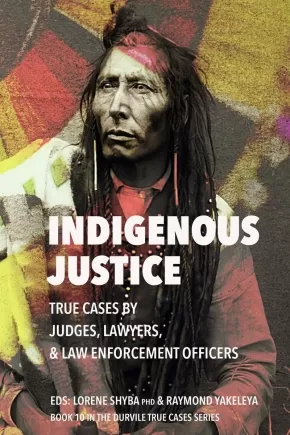
Indigenous Justice: True Cases by Judges, Lawyers, and Law Enforcement Officers
$35.00
Editors:
Format:
Paperback
Text Content Territories:
Indigenous Canadian;
ISBN / Barcode: 9781990735264
Synopsis:
Synopsis:
In the spirit of truth and reconciliation, judges, lawyers, and law enforcement officers write about working with First Nations, Métis, and Inuit Peoples through their trials and tribulations with the criminal justice system. The stories are a mix of previously published essays from the Durvile True Cases anthologies with an equal number of new chapters by legal and law enforcement professionals including Justice Thomas Berger (posthumous), Justice Nancy Morrison, Justice John Reilly, Senator Kim Pate, lawyers Eleanore Sunchild, Brian Beresh, and John L. Hill, and parole and police officers Doug Heckbert, Ernie Louttit, Val Hoglund, and Sharon Bourque.
Reviews
“I’m struck by how the True Cases series has a multiplicity of authentic perspectives that are able to be our proxy or conduit into amazing worlds... Stories that are happening in our community and to our neighbours that we should know about but don’t.” —Grant Stovers, CKUA Radio
Additional Information
288 pages | 6.00" x 9.00" | Paperback
Indigenous Media Arts in Canada: Making, Caring, Sharing
$46.99
Editors:
Format:
Paperback
Text Content Territories:
Indigenous Canadian;
Reading Level: N/A
ISBN / Barcode: 9781771125413
Synopsis:
Synopsis:
Indigenous and settler scholars and media artists discuss and analyze crucial questions of narrative sovereignty, cultural identity, cultural resistance, and decolonizing creative practices.
Humans are narrative creatures, and since the dawn of our existence we have shared stories. Storytelling is what connects us, what helps us give shape and understanding to the world and to each other. Who tells whose stories in which particular ways leads to questions of belonging, power, relationality, community and identity. This collection explores those issues with a focus on settler-Indigenous cultural politics in the country known as Canada, looking in particular at Indigenous representation in media arts. Chapters feature roundtable discussions, interviews, film analyses, resurgent media explorations, visual culture advocacy and place-based practices of creative expression.
Eclectic in scope and diverse in perspective, Indigenous Media Arts in Canada is unified by an ethic of conciliation, collaboration, and cultural resistance. Engaging deftly and thoughtfully with instances of cultural appropriation as well as the oppressive structures that seek to erode narrative sovereignty, this collection shines as a crucial gathering of thoughtful critique, cultural kinship, and creative counterpower.
Reviews
“Dana Claxton and Ezra Winton’s collection of conversations between, for, and about Indigenous media makers poses vital, critical, and generative questions about Indigenous film, film festivals and institutions, residential school histories, and decolonization without providing easy answers. These conversations are at times joyful expressions of the radical possibilities of media arts and at times painful provocations about settler colonial violence and its representational apparatuses. The chapters, written by the most brilliant and creative minds in contemporary Indigenous film, are paradigm-shifting love letters to the land, lived experience, collaboration, and futurity.” —Michelle Raheja, Associate Professor, Department of English, University of California, Riverside, author of Reservation Reelism: Redfacing, Visual Sovereignty, and Representations of Native Americans in Film
Educator Information
Table of Contents
Indigenous Media Arts in Canada: Making, Caring, Sharing – Edited by Dana Claxton and Ezra Winton
Acknowledgements
Introduction: Seeing, Knowing, Lifting – Dana Claxton and Ezra Winton
Part I – Decolonizing Media Arts Institutions
Part I Introduction – Dana Claxton and Ezra Winton
1. Our Own Up There: A Discussion at imagineNATIVE – Danis Goulet and Tasha Hubbard with Jesse Wente, Alethea Arnaquq-Baril and Shane Belcourt
2. Curating the North: Documentary Screening Ethics and Inuit Representation in Canada – Ezra Winton and Alethea Arnaquq-Baril
3. Sights of Homecoming: Locating Restorative Sites of Passage in Zacharias Kunuk’s Festival Performance of Angirattut – Claudia Sicondolfo
Part II – Protecting Culture
Part II Introduction – Dana Claxton and Ezra Winton
4. Addressing Colonial Trauma Through Mi’kmaw Film – Margaret Robinson and Bretten Hannam
5. Not Reconciled: The Complex Legacy of Films on Canadian "Indian" Residential Schools – Brenda Longfellow
6. The Resurgence of Indigenous Women in Contemporary Québec Cinema – Karine Bertrand
7. “Our Circle Is Always Open”: Indigenous Voices, Children’s Rights, and Spaces of Inclusion in the Films of Alanis Obomsawin – Joanna Hearne
Part III – Methods/Knowledges/Interventions
Part III Introduction Dana Claxton and Ezra Winton
8. Indigenous Documentary Methodologies: ChiPaChiMoWin: Telling Stories – Jules Arita Koostachin
9. Marking and Mapping Out Embodied Practices through Media Art – Julie Nagam and Carla Taunton
10. Curatorial Insiders/Outsiders: Speaking Outside and Collaboration as Strategic Intervention – Toby Katrine Lawrence
11. The Generative Hope of Indigenous Interactive Media: Ecological Knowledge and Indigenous Futurism – Michelle Stewart
Part IV - Resurgent Media/Allies/Advocacy
Part IV Introduction – Dana Claxton and Ezra Winton + Sasha Crawford-Holland and Lindsay LeBlanc
12. “Making Things Our [Digital] Own”: Lessons on Time and Sovereignty from Indigenous Computational Art – Sasha Crawford-Holland and Lindsay LeBlanc
13. Careful Images: Unsettling Testimony in the Gladue Video Project – Eugenia Kisin and Lisa Jackson
Concluding Thoughts
Part 1: Beyond Words and Images – Ezra Winton and Dana Claxton Part 2: Setting the Record Straight – Lisa Jackson
About the Contributors
References
Index
Contributors
Alethea Arnaquq-Baril
Shane Belcourt
Karine Bertrand
Dana Claxton
Sasha Crawford-Holland
Danis Goulet
Bretten Hannam
Joanna Hearne
Tasha Hubbard
Lisa Jackson
Eugenia Kisin
Jules Arita Koostachin
Toby Katrine Lawrence
Lindsay LeBlanc
Brenda Longfellow
Julie Nagam
Margaret Robinson
Claudia Sicondolfo
Michelle Stewart
Carla Taunton
Jesse Wente
Ezra Winton
Additional Information
450 pages | 6.00" x 9.00" | Paperback
Indigenous Resurgence in an Age of Reconciliation
$39.95
Format:
Paperback
Text Content Territories:
Indigenous Canadian;
Reading Level: N/A
ISBN / Barcode: 9781487544607
Synopsis:
Synopsis:
What would Indigenous resurgence look like if the parameters were not set with a focus on the state, settlers, or an achievement of reconciliation? Indigenous Resurgence in an Age of Reconciliation explores the central concerns and challenges facing Indigenous nations in their resurgence efforts, while also mapping the gaps and limitations of both reconciliation and resurgence frameworks.
The essays in this collection centre the work of Indigenous communities, knowledge, and strategies for resurgence and, where appropriate, reconciliation. The book challenges narrow interpretations of indigeneity and resurgence, asking readers to take up a critical analysis of how settler colonial and heteronormative framings have infiltrated our own ways of relating to our selves, one another, and to place. The authors seek to (re)claim Indigenous relationships to the political and offer critical self-reflection to ensure Indigenous resurgence efforts do not reproduce the very conditions and contexts from which liberation is sought.
Illuminating the interconnectivity between and across life in all its forms, this important collection calls on readers to think expansively and critically about Indigenous resurgence in an age of reconciliation.
Reviews
"This book is an undoubtedly critical, original, and powerful contribution to the field of Indigenous studies and beyond. With sound scholarship, the contributors show us how disentangling from reconciliation discourses is not only a tool of critique, but also a methodology for understanding how settler concepts of territoriality and authority have shaped Indigenous peoples’ understandings of themselves, their governments, and their relationships to land and to one another." — Shiri Pasternak, Assistant Professor of Criminology, Toronto Metropolitan University
"The relationship between reconciliation and resurgence is a complicated and, at times, deeply contested one. This volume does an excellent job of situating itself within the wider literature on resurgence and reconciliation and their conflicted and/or complimentary relationship. This is an important contribution to a fraught conversation, and it provides many different perspectives that help to, if not resolve, then guide the conversation beyond its current roadblocks towards something better." — Joshua Nichols, Assistant Professor in the Faculty of Law, McGill University
Additional Information
280 pages | 6.00" x 9.00" | Paperback
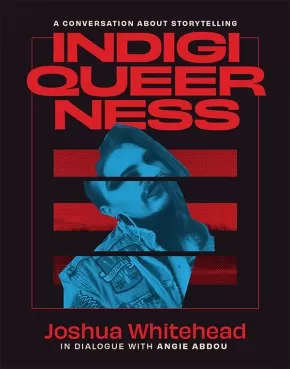
Indigiqueerness: A Conversation about Storytelling
$19.99
Format:
Paperback
Text Content Territories:
Indigenous Canadian; First Nations; Anishinaabeg; Oji-Cree;
Reading Level: N/A
ISBN / Barcode: 9781771993913
Synopsis:
Synopsis:
Everything I’ve crafted and made has been a whirlwind of community and folks and friends and lovers and family. I kind of write as an animated avatar. A lot of my material comes from listening fiercely to those around me and witnessing that which is discarded or not seen." - Joshua Whitehead
Evolving from a conversation between Joshua Whitehead and Angie Abdou, Indigiqueerness is part dialogue, part collage, and part memoir. Beginning with memories of his childhood poetry and prose and travelling through the library of his life, Whitehead contemplates the role of theory, Indigenous language, queerness, and fantastical worlds in all his artistic pursuits. This volume is imbued with Whitehead’s energy and celebrates Indigenous writers and creators who defy expectations and transcend genres.
Additional Information
48 pages | 5.50" x 7.00" | Paperback
Sort By
Go To
of 39
 Our logo reflects the greater Nation we live within—Turtle Island (North America)—and the strength
and core of the Pacific Northwest Coast peoples—the Cedar Tree, known as the Tree of Life. We are
here to support the building of strong nations and help share Indigenous voices.
Our logo reflects the greater Nation we live within—Turtle Island (North America)—and the strength
and core of the Pacific Northwest Coast peoples—the Cedar Tree, known as the Tree of Life. We are
here to support the building of strong nations and help share Indigenous voices.


