


Environmental Awareness
121
-
129
of
129 Results;
Sort By
Go To
of 9


Aliens Among Us (7 in Stock) - ON SALE!
$15.95 $19.95
Artists:
Format:
Paperback
ISBN / Barcode: 9780772668530
Synopsis:
Synopsis:
Would you be surprised if you came face to face with a Drumming Katydid, Red-eared Slider or Brown Bullhead? Would you know what to do if Dalmatian Toadflax or Giant Hogweed landed in your neighbourhood? Alex Van Tol can help. In Aliens Among Us, she identifies more than 50 species of animals and plants that have invaded British Columbia. With the help of colour photographs and illustrations, she exposes the invaders, explains how they got here and what they’re doing to the environment.
In this first-ever children’s book published by the Royal BC Museum, Van Tol has harvested the knowledge of museum biologists to alert the next generation of responsible environmentalists. Her list of serious invaders includes the colourfully named Purple Loosestrife, Violet Tunicate, Eastern Grey Squirrel and Yellow Perch, species that tend to take over an area and crowd out or destroy native species. She names the creatures that can eat their way through an ecosystem, like Smallmouth Bass, Gypsy Moths and American Bullfrogs, as well as vandals like Norway Rats and European Starlings that cause damage to property. And she points out the species that might do serious harm to humans and other animals, such Rockpool Mosquitoes, Giant Hogweed and Poison Hemlock. Some aliens, like European Wall Lizards and Giant Garden Slugs, haven’t yet posed problems in BC, at least not that we’re aware of – but they still need to be watched. And finally, Van Tol raises the alert on species that haven’t yet arrived but may be coming soon, like Northern Snakeheads, Fence Lizards and Zebra Mussels. This readable and alarmingly informative book will help young people prepare for the invasion, and arm them with the tools to stop the spread of unwanted aliens in British Columbia.
Reviews
"Chapters include examples within every class of animal and a selection of herbaceous and woody plants found in BC. One chapter discusses three animals (e.g. zebra mussel) not yet in the province, but likely to appear soon. Another chapter looks at native species (e.g. northern raccoon) that can dominate enough to upset ecology. Finally, the author offers a few examples of aliens that have become so familiar (e.g. cattle) that we forget they are not native here. An important feature is the section “You Can Help” which outlines ways to stop the spread of aliens and urges the reporting of sightings. There’s a Glossary of terms, several pages of scientific names and a useful list of sources, both print and web. The book is packed with concise, intriguing details gathered by the BC author, a former teacher who loves to research. It is published by the Royal BC Museum which attests to its relevancy and accuracy." - CM Magazine, 2016
Additional Information
128 pages | 7.50" x 9.00"
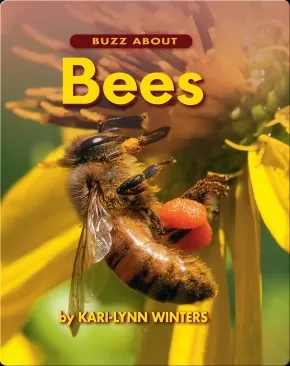
Buzz About Bees (HC) (4 in Stock)
$19.95
Format:
Hardcover
ISBN / Barcode: 9781554552023
Synopsis:
Synopsis:
Imagine a world without bees. Not only would it be less colorful - with fewer wildflowers and flowering plants - it would be less fruitful as well. A world without bees would mean a world where the food supply would be significantly diminished. Global bee researcher Laurence Packer estimates that bees are responsible for 1/3 of our food supply.
Buzz About Bees offers an in-depth look at an endangered and vital part of the natural world. Accompanying information about the history, social structure and science behind the world of bees and honey are conservation activities to make the world a place where hives of bees can thrive.
Reviews
"Buzz About Bees is a great overview of all things apiarian. Pick up this book and it engages you with a true/false quiz about what you and your students may or may not know about bees. […] If you can navigate the BEE-wildering array of apiarian puns, this is a great introduction to all things bees." — NSTA
"With punny titles such as 'UnBEE-lievable Body Parts' and 'Let Me BEE: I'm BUZZ-y Working', Buzz About Bees takes an upbeat, yet serious, approach to its topic... Absorbing, cheerful, and easy to read." Recommended. — CM Magazine
Educator Information
Recommended ages: 10-13.
TABLE OF CONTENTS
Chapter 1: BEE-N THERE, DONE THAT
- BEE-ing Worthy of Royal Status
- Take Your Medicine: Drink Your Honey
- Recipe for Soothing a STING-ing Throat
Chapter 2: THE WHOLE BALL OF WAX
- UnBEE-lievable Body Parts
- Classifying Bee Bodies
- To BEE or Not to BEE
Chapter 3: BEE-ING TOGETHER
- Social Bees
- Nests or Hives
- BEE-ing the Queen
- Honeybees
- Honey: Liquid Gold
- Keeping BUZZ-y
Chapter 4: BEE-ING ALONE
- BEE-autiful Homes
- Living BEE-side Each Other
- BEE-fore I Leave You
- Getting BEE-gger: Life Cycle of a Bee
Chapter 5: BEES OF THE WORLD, DISPERSE!
- Bee Mobility
- Invasive Pests
- Killer Bees
- Leave Me BEE Game
- The BEE’s Knees
- BEE a Researcher
- Let Me BEE: I’m BUZZ-y Working
- BEE-ing a Beekeeper
- A SWEET Life
Chapter 6: STINGING EFFECTS ON THE WORLD
- BEE-hind the Eight Ball
- BEE-coming Extinct
- What’s the BUZZ?
- BEE the Change the World Needs
Glossary
Index
Further Reading
Photo Credits
Additional Information
32 pages | 8.00" x 10.00" | colour photographs, colour illustrations, index, glossary, further reading
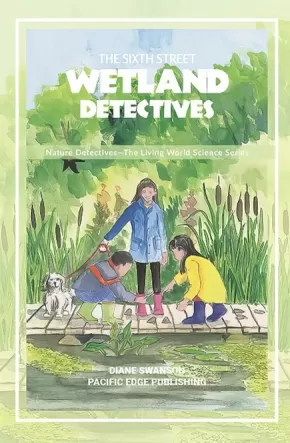
The Sixth Street Wetland Detectives
$14.95
Format:
Paperback
Text Content Territories:
Indigenous Canadian; First Nations;
ISBN / Barcode: 1895110440
Synopsis:
Synopsis:
Join nature detectives Amy, Edward and Jill as they explore the wetlands near town. With their families, who are neighbours on Sixth Street, they make some exciting discoveries:
- Water lilies breathe through pores on the tops of their leaves.
- Duckweed is the world’s smallest flowering plant.
- Cattail colonies make good homes for many animals.
- Water striders walk across water.
- Muskrats build their houses from mud and stems.
The Sixth Street Wetland Detectives introduces readers to nature's wonderful wetlands. It shows how plants and animals interact and adapt to the wetland. It also teaches how living things depend on non-living things, such as water, light and soil.
The book also presents examples of wetland fossils, Indigenous peoples’ uses of wetlands and the ways people harm—and help—wetlands. By the end of the book, Amy, Edward and Jill want to help care for the wetland near their town. They find a way.
Series & Educator Information
The Nature Detectives Series is a set of five books. Each book introduces children to one of five fascinating ecosystems designed to address the grades 2 to 4 learning standards in the BC Science curriculum.
Each book introduces children to one of five fascinating ecosystems. The books show how plants and animals interact and adapt themselves to their environment. They show how living things depend on non-living things, such as water, light, and soil. The books also present examples of fossil life, Indigenous peoples’ uses of plants and animals in each ecosystem, and the ways people harm — and help — ecosystems. By the end of each book, readers will have a new appreciation for an important ecosystem.
Each text includes a glossary, index, and information about:
- the diversity of plants and animals in an ecosystem
- how plants and animals have adapted themselves to their environment
- how plants and animals interact with each other
- the life cycles of specific plants and animals
- fossil records of plants and animals
- the causes and effects of extinction and endangerment of plants and animals
- Indigenous peoples’ uses of plants and animals
Additional Information
46 pp. softcover, full-colour illustrations
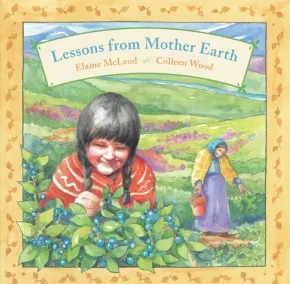

Lessons From Mother Earth
$10.99
Artists:
Format:
Paperback
Text Content Territories:
Indigenous Canadian; First Nations; Tutchone; Northern Tutchone; Na-Cho Nyak Dun;
ISBN / Barcode: 9780888998323
Synopsis:
Synopsis:
This gentle story demonstrates the First Nations' tradition of taking care of Mother Earth.
Tess has visited her grandmother many times without really being aware of the garden. But today when they step out the door, Tess learns that all of nature can be a garden. And if you take care of the plants that are growing, if you learn about them - understanding when they flower, when they give fruit, and when to leave them alone - you will always find something to nourish you.
At the end of the day, Tess is grateful to Mother Earth for having such a lovely garden, and she is thankful for having such a wise grandma.
Elaine McLeod's poetic text and Colleen Wood's gentle watercolors combine to make Lessons from Mother Earth a celebration of nature and life.
Educator Information
Curriculum Connections: Social Studies, Science and Nature.
Additional Information
24 pages | 8.80" x 8.80"
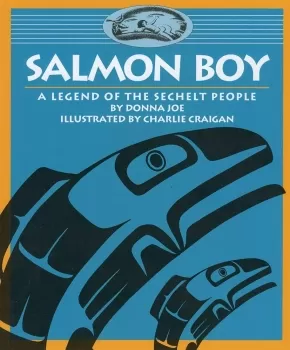
Salmon Boy
$12.95
Artists:
Format:
Paperback
Text Content Territories:
Indigenous Canadian; First Nations; Salish; Coast Salish; Shishalh (Sechelt);
ISBN / Barcode: 9780889711662
Synopsis:
Synopsis:
In Salmon Boy: A Legend of the Sechelt People, a young boy is captured by a Chum salmon and brought to the country of the salmon people-a dry land beneath water where "the salmon people walked about the same as people do above the sea." The boy lived with them for one year, and his captivity becomes a source of learning that will ensure the survival of his own people.
After accompanying the salmon people on their run, the Sechelt boy hops out of the river and returns home to teach everything he has learned to his people who, from that time forward, treat the salmon properly and always have enough to eat. The salmon people, now respected by the humans, happily "give their rich flesh to feed the people of the land."
This beautiful story is accompanied by black and white illustrations of the boy and his adventures. Though written especially for children, Salmon Boy, with its simple message of responsibility and respect, will appeal to all ages.
Educator Information
Simple and compelling First Nations drawings illustrate this dynamic story that teaches respect for the environment and describes the life cycle of the salmon.
Series Information
This book is part of the Legends of the Sechelt Nation series.
Additional Information
24 pages | 7.00" x 8.50"
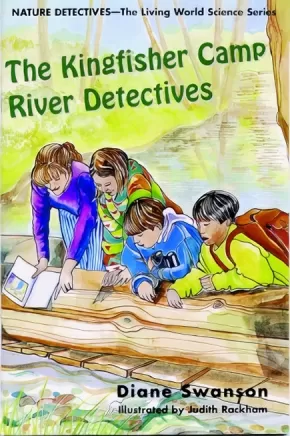
The Kingfisher Camp River Detectives
$15.95
Artists:
Format:
Paperback
Text Content Territories:
Indigenous Canadian; First Nations;
ISBN / Barcode: 1895110548
Synopsis:
Synopsis:
The Kingfisher Camp River Detectives shows how plants and animals interact and adapt themselves to the river. It shows how living things depend on non-living things, such as water, light, sand and gravel. Young children will take delight in discovering that;
Black cottonwood trees thrive in damp riverbanks.
Belted kingfishers dive into rivers after fish.
Quartz in river sandstone is harder than a knife blade.
Bears beat paths to waterfalls to catch salmon.
The book also presents examples of river fossils, First Nations' uses of river life and the ways people harm and help the river.
Educator & Series Information
This book is part of The Nature Detectives Series.

The Gibson Park Grassland Detectives
$15.95
Format:
Paperback
Text Content Territories:
Indigenous Canadian; First Nations;
ISBN / Barcode: n/a
Synopsis:
Synopsis:
Join the Gibson Park nature detectives—Lynn, Mike and Christie—as they explore the grasslands near town. With Christie's teenage brother, Tim, they make some exciting discoveries:
• Sagebrush has hairy leaves that protect it from heat and cold.
• Coyotes, hares and burrowing owls use burrows dug by badgers.
• Grasshoppers can jump 20 times their length.
• Meadowlarks build a grass roof over their ground nests.
• Magpies collect shiny things.
The Gibson Park grassland detectives introduces readers to nature's great grasslands. It shows how plants and animals interact and adapt to the grassland. It also teaches how living things depend on non-living things, such as water, light and soil.
The book also presents examples of grassland fossils, Indigenous peoples’ uses of grasslands and the ways people harm—and help—grasslands. By the end of the book, Lynn, Mike and Christie want to help care for the grassland near their town. They find a way.Reviews"These are must-have resources for the classroom and for inspiring the next generation of environmental champions and green leaders!" - Canadian Teacher Magazine
Series & Educator Information
The Nature Detectives Series is a set of five books. Each book introduces children to one of five fascinating ecosystems designed to address the grades 2 to 4 learning standards in the BC Science curriculum.
Each book introduces children to one of five fascinating ecosystems. The books show how plants and animals interact and adapt themselves to their environment. They show how living things depend on non-living things, such as water, light, and soil. The books also present examples of fossil life, Indigenous peoples’ uses of plants and animals in each ecosystem, and the ways people harm — and help — ecosystems. By the end of each book, readers will have a new appreciation for an important ecosystem.
Each text includes a glossary, index, and information about:
- the diversity of plants and animals in an ecosystem
- how plants and animals have adapted themselves to their environment
- how plants and animals interact with each other
- the life cycles of specific plants and animals
- fossil records of plants and animals
- the causes and effects of extinction and endangerment of plants and animals
- Indigenous peoples’ uses of plants and animals
Teacher's Guides for each of the books in this series are also available.
Additional Information
46 pp. softcover, full-colour illustrations
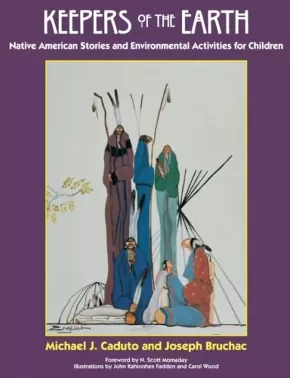
Keepers of the Earth: Native American Stories and Environmental Activities for Children
$33.95
Format:
Paperback
Text Content Territories:
Indigenous American; Native American;
ISBN / Barcode: 9781555913854
Synopsis:
Synopsis:
Native American stories combine with related hands-on activities to inspire children with a deep respect and interest in the Earth and in Native cultures in this popular and critically acclaimed book. Keepers of the Earth uses an interdisciplinary approach to introduce environmental concepts to children, aged five through twelve. The activities include theatre, reading, writing, science, social studies, and mathematics, and are designed to engage all of the senses.
Reviews
"Keepers of the Earth is an excellent school resource introducing children to Aboriginal worldviews. The book is comprised of 21 story packages which may be used as teaching tools in the classroom. The stories are divided by subject nature and include three stories about creation, two about fire, one about the earth, one about wind and weather, three about water, two about sky, one about seasons, six about plants and animals, one about life, death, and spirits, and about the unity of earth.... Following each story is a discussion prompt to help teachers explain the story’s context. The discussion prompts relate the story to First Nations traditional worldviews and emphasize mankind’s interconnection with the natural world. Following the discussion prompts, there is a list of questions to encourage student reflection. Some of the questions are focussed more on story comprehension while others encourage children to reflect on the greater meaning of the story and how it relates to their daily life.... Keepers of the Earth offers suggestions for activities to solidify and expand the learning of the story. Activity suggestions include field trips, demonstrations, experimentationand further discussion. Each story is accompanied by at least one activity with recommendations as to which age group tocater the activityto. While most of the activities seem directed at grades 3-8, there are many activities that could suit the needs of older or younger children with little or no modification." - Rachel Yaroshuk, CM Magazine
Educator & Series Information
This book is part of the Keepers Series.
Foreword by N. Scott Momaday.
Additional Information
240 pages | 8.25" x 10.72"
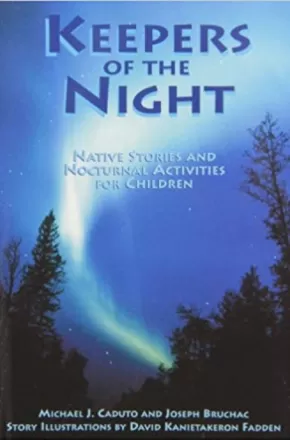
Keepers of the Night: Native Stories and Nocturnal Activities for Children
$14.95
Format:
Paperback
Text Content Territories:
Indigenous American; Native American;
ISBN / Barcode: 9781895618396
Synopsis:
Synopsis:
Native lore, stories, and activities encourage children to explore the fascinating night world. By studying astronomy, Native beliefs, nighttime weather, and North American nocturnal plants and animals, children aged 5 to 12 learn to appreciate the importance of night in the natural cycle and overcome common fears about the nighttime world.
Educator & Series Information
B.C. Science Supplementary Resource: Gr.3-Earth and Life Science
B.C. Science Supplementary Resouce Gr.4- Life Science.
Filled with interdisciplinary activities, legends, and illustrations to inspire children and educators alike.
This book is part of the Keepers series.
Additional Information
146 pages | 9.75" x 6.75"
Sort By
Go To
of 9
 Our logo reflects the greater Nation we live within—Turtle Island (North America)—and the strength
and core of the Pacific Northwest Coast peoples—the Cedar Tree, known as the Tree of Life. We are
here to support the building of strong nations and help share Indigenous voices.
Our logo reflects the greater Nation we live within—Turtle Island (North America)—and the strength
and core of the Pacific Northwest Coast peoples—the Cedar Tree, known as the Tree of Life. We are
here to support the building of strong nations and help share Indigenous voices.


